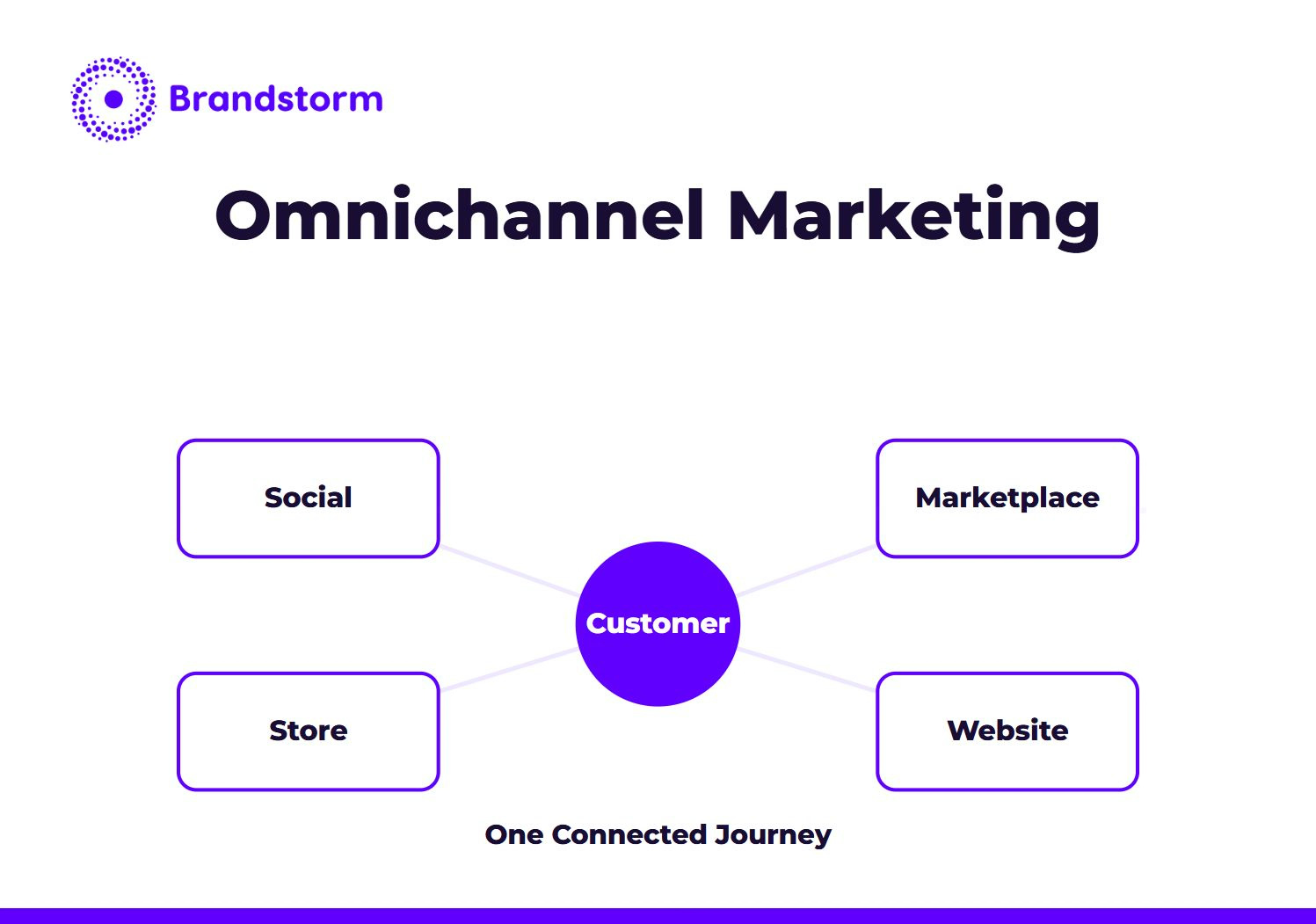
Walk through Siam Paragon on a Saturday afternoon and you'll see the same shopper four times. Once on TikTok watching a creator review on the BTS, again at a Sephora counter trying the product, then on Shopee comparing prices, and finally back in store buying with a member discount. That shopper isn't on a customer journey — they're in a customer ecosystem. And the brands building for that ecosystem are eating market share from competitors who still think in channels.
Connected Customer Journeys
Most Thai marketing teams still organise their planning around channels — a TikTok plan, a retail plan, an e-commerce plan, an OOH plan. Each owned by a different team. Each measured against different KPIs. Each running in parallel without a shared signal layer.
The fastest-growing brands have collapsed that structure. Their planning unit isn't a channel — it's a customer cohort. Beauty buyers aged 25 to 34 in Bangkok aren't a TikTok audience or a Shopee audience or a Lotus's audience. They're one audience that touches all three, and the brand's job is to make those touchpoints reinforce each other.
What Omnichannel Needs
The word "omnichannel" has been around for a decade, and most brands using it really mean "multichannel" — being present in many places without integration between them. True omnichannel needs three things working together:
- A unified data layer. CDP, CRM, or even a well-built data warehouse — something that reconciles the customer across TikTok pixel events, Shopee orders, in-store loyalty scans, and email opens.
- Cross-channel attribution. Stop measuring TikTok ads on TikTok ROAS. Start measuring on incremental category sales 14 days later, including offline.
- Channel-aware creative. Same brand story, different cuts. The 6-second TikTok hook, the 30-second pre-roll, the static OOH headline, the Shopee thumbnail — all narratively connected, none identical.
The Thai Market Context
Imported omnichannel frameworks tend to underweight one thing: in Thailand, offline is still where the majority of FMCG and beauty volume happens, and modern trade gatekeepers (Big C, Lotus's, 7-Eleven, Tops, Foodland) hold disproportionate power. A digital-only omnichannel plan that ignores trade marketing is leaving 60–70% of category volume on the table.
The brands winning here treat trade marketing as a digital touchpoint. Shelf placement, in-store sampling, and category captaincy data all feed back into media targeting. A brand that just won an end-cap at Tops Vibhavadi for the next four weeks should be amplifying that with geofenced TikTok creative — not running an unrelated brand campaign.
Putting the Plan to Work
The brands we work with that have made the omnichannel transition share a few operating habits worth copying:
- Weekly cross-functional planning calls with media, e-commerce, retail, and influencer leads in the same room — not separate ones.
- A single shared dashboard tracking the same customer cohort across every channel they touch — not five separate dashboards.
- Budget allocation done quarterly across the customer lifecycle (acquisition vs. retention vs. reactivation), not monthly across channels.
- A single creative brief per campaign, with execution variants per channel — not five briefs from five channel owners.
None of this is technically hard. The hard part is organisational — restructuring teams, KPIs, and budget ownership to actually behave like one ecosystem instead of five disconnected ones. The brands willing to do that work are the ones taking share in 2026.