We've seen positioning statements that won standing ovations in client offices collapse within a quarter of going live. The collapse is rarely about creative quality — it's about positioning that wasn't built to survive a real market.
Three Positioning Principles
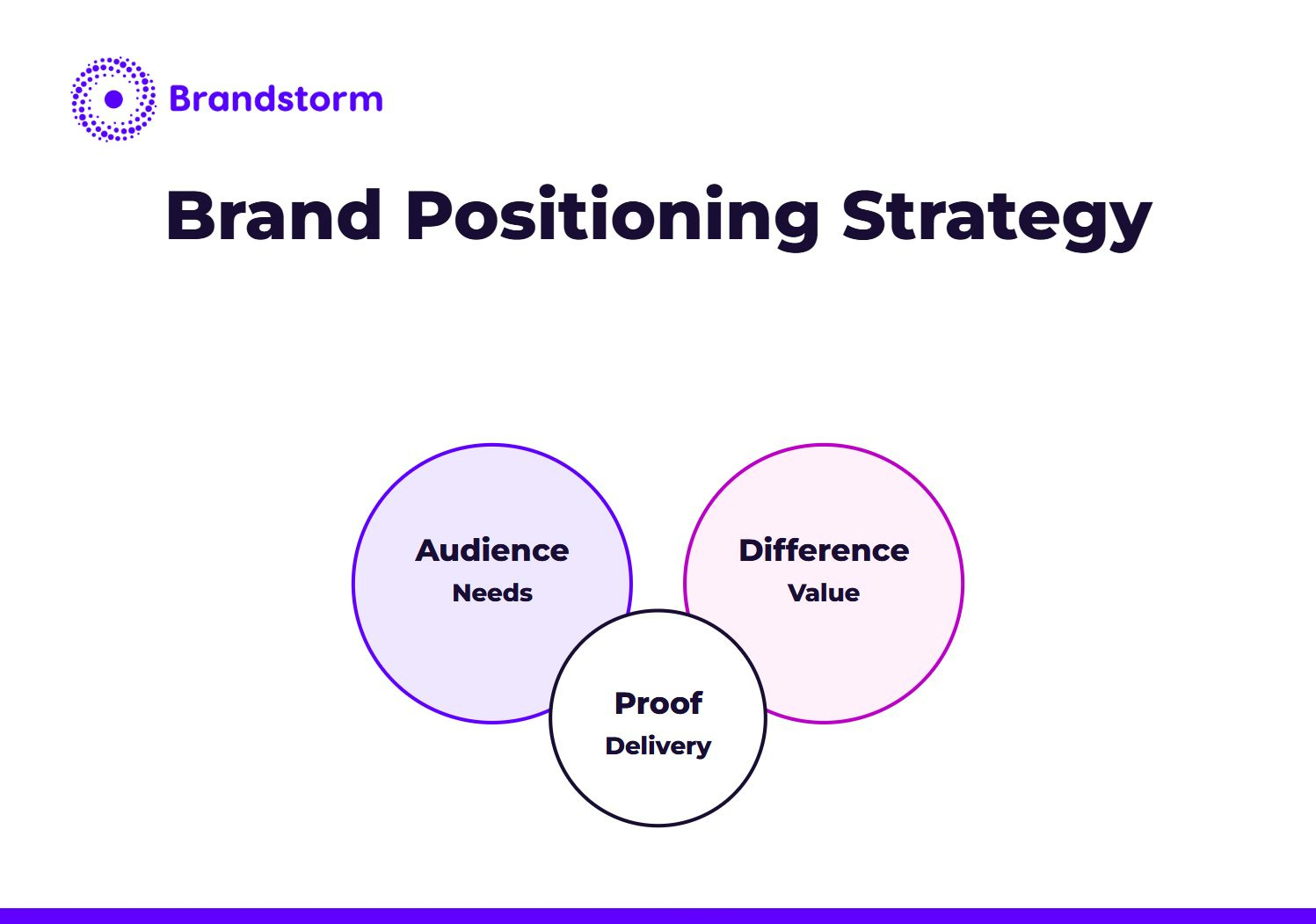
Distinctive, defensible, and decision-shaping. Distinctive means it can't be said by a competitor without sounding like a copycat. Defensible means there's real proof behind the claim — not just an aspiration. Decision-shaping means it actually changes which brand a consumer chooses, not just which brand they admire.
Test Against the Market
The boardroom approves positioning. The market kills it. Pre-test positioning with the actual people who will hear it — not just survey panels. Show them three competitor positioning statements alongside yours and watch which one moves their preference.
Support Promises With Proof
Brands that change positioning and then look for proof points get exposed quickly. Build the proof — the customer evidence, the demonstrable difference, the third-party validation — before you launch the claim. Positioning that ships without proof never survives the first competitor counterpunch.
Deliver at Every Touchpoint
Positioning that lives only in advertising doesn't survive. The brands that stay positioned operationalise the claim across product, packaging, retail experience, customer service, KOL briefs, and every public-facing surface. The consistency is what makes the position stick.
Build Lasting Positioning
Positioning that changes every 18 months never builds equity. Build positioning you're willing to defend through three competitive cycles. If you can't commit that long, you're not actually positioning — you're campaigning.